
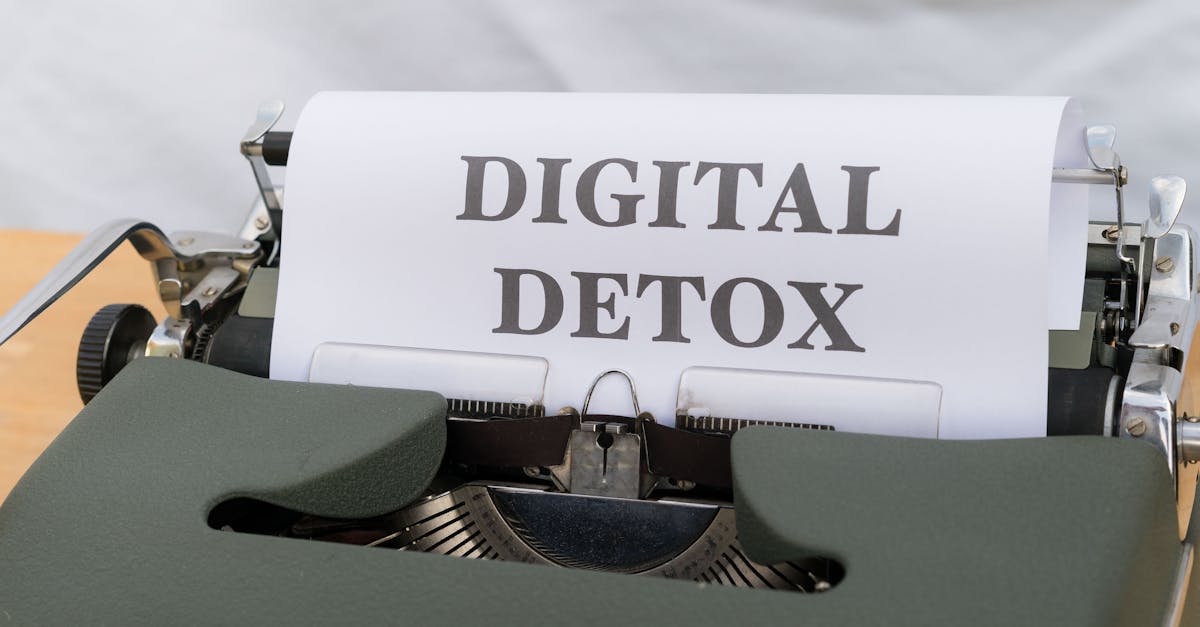
5 Signs You Need a Digital Detox Right Now
Introduction
We’re all guilty of it. That constant scroll through social media, responding to emails at midnight, or mindlessly browsing the internet when you should be doing literally anything else. The digital world has become such an integral part of our daily lives that we hardly notice when it starts to take a toll on our well-being. But how do you know when it’s time to step away from the screen for a while? Here are five clear signs that you might need a digital detox, like, right now.
1. Your Eyes Feel Like They’re Going to Fall Out
Let’s start with the most obvious sign: the physical strain. If your eyes feel constantly tired or strained, it might be time for a break. You’ve probably heard of digital eye strain (or “computer vision syndrome”), which occurs when you spend long hours staring at screens. Symptoms include headaches, blurry vision, neck and shoulder pain, and even dry eyes. If you find yourself blinking more often or rubbing your eyes just to get through the day, your body is telling you it’s had enough.
Take Emily, for example. She’s a social media manager who spends 8+ hours a day on her phone and laptop. She noticed that by the end of the day, her eyes would feel sore and irritated. After talking to an eye doctor, she realized that all those hours in front of screens were catching up with her. Emily decided to schedule “screen-free” time each evening, and the difference was remarkable. Not only did her eyes feel better, but she also got better sleep.
2. You’re Staring at Your Phone Without Knowing Why
Have you ever caught yourself scrolling through Instagram or Twitter without even realizing it? You unlock your phone and, before you know it, you’ve spent 20 minutes just aimlessly scrolling through posts, checking notifications, and refreshing the feed. It’s almost like autopilot. This is a clear sign of mindless technology use, where you’re no longer engaging with your devices intentionally.
Rachel, a college student, noticed this behavior when she was preparing for exams. She’d sit down to study, but a few minutes later, her phone would be in her hand without any clear memory of how it got there. It wasn’t until she started using a timer to limit her phone usage that she realized just how often this mindless scrolling was happening. She ended up setting her phone to “Do Not Disturb” mode during study sessions, which helped her regain focus.
3. You’re Losing Sleep Over It
We all know that looking at screens late at night is a recipe for poor sleep. Whether it’s binge-watching Netflix, scrolling through social media, or responding to work emails, your body is getting a constant stream of blue light right before bed, which messes with your circadian rhythm. If you’re finding it harder and harder to fall asleep or wake up feeling groggy despite a full night in bed, digital overload could be to blame.
For instance, Jake, a freelance writer, often found himself working late into the night, answering client emails or editing his blog posts. But the next day, he felt exhausted and sluggish, no matter how many hours he’d spent in bed. After cutting down on his screen time before bed, he found that he was able to fall asleep faster, and his overall sleep quality improved. He even woke up feeling more energized and productive the next day!
4. Your Mind Feels Cluttered
In the digital age, we’re constantly bombarded with information, emails, news updates, social media posts, work messages, you name it. This constant influx of data can create a mental clutter that’s hard to shake. If you’re finding it difficult to concentrate, feel mentally exhausted, or notice that your mind keeps racing with thoughts of things you need to check or do online, it might be time to unplug.
Ashley, a marketing consultant, found herself in this situation after a particularly busy period at work. Every time she closed her laptop, her mind was still spinning with all the things she needed to check or follow up on. She realized she wasn’t giving her brain a chance to reset. After scheduling a few hours of “no tech” time each week, Ashley started feeling more focused and present. This break allowed her to clear the mental clutter and come back to work with a fresh perspective.
5. You’ve Become Socially Detached
It’s easy to think that because we’re constantly communicating via text, social media, or video calls, we’re staying connected. But the truth is, virtual communication can’t replace the depth of face-to-face interaction. If you’ve been spending so much time online that you’ve neglected in-person relationships, you might be heading toward social isolation.
For example, Mark, a software developer, realized that he hadn’t hung out with his friends in weeks. He would message them occasionally, but his social interactions mostly consisted of Slack messages and quick texts. Mark was so caught up in work and digital socializing that he forgot the value of real-life connections. Once he unplugged for a weekend and spent time with his friends without distractions, he noticed how much more fulfilling those interactions were, and how much he had missed out on by being glued to his devices.
Conclusion: Time for a Reset
If any of these signs sound familiar, it’s probably time for a digital detox. You don’t need to cut out technology entirely, but taking intentional breaks can help you regain balance. Start small by setting boundaries, like no phone use an hour before bed or scheduling tech-free time on weekends. Your eyes, your mind, and your relationships will thank you.
Remember, the world won’t end if you put your phone down for a while. In fact, you might just find that it’s the best thing for your mental, physical, and emotional health.