
How Mumbai’s Hidden Street Food Gems are Changing the Local Food Scene
Introduction: A Taste of Mumbai Beyond the Famous Bites
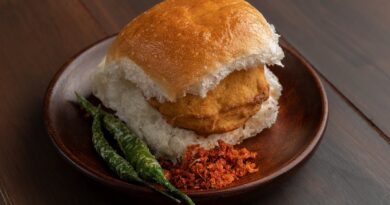
When people think of Mumbai’s food scene, the first things that come to mind are probably vada pav, pav bhaji, and bhel puri. But what about the street food spots that don’t get as much hype but still pack a punch in flavor? There’s a whole world of lesser-known vendors across the city, offering unique and exciting eats that tell the story of Mumbai’s diverse culture, its history, and its ever-evolving food scene. So, if you’re ready to look beyond the usual suspects, let’s dive into Mumbai’s hidden street food gems that are reshaping the local food experience.
The New Wave of Street Food
Street food in Mumbai is constantly changing. Vendors aren’t just sticking to traditional recipes anymore—they’re adding their own twist to age-old dishes, creating fresh options that reflect both modern influences and the city’s evolving tastes. For example, the simple but reliable pav bhaji has been given a makeover in places like Lower Parel. At one such stall, you’ll find ‘cheese pav bhaji’—a decadent version where the bhaji is topped with a rich layer of melted cheese. Sounds like a guilty pleasure, right? But it’s exactly this sort of innovation that’s helping small vendors get the attention of today’s food lovers.
Offbeat Finds in the Heart of the City
While most of us have stumbled upon a roadside pav bhaji stall or a vada pav cart, there’s another side to Mumbai street food that often goes unnoticed. In neighborhoods like Byculla, the streets are dotted with family-run joints selling rare snacks like ‘sabudana chivda’ (a crispy, tangy snack made from sago), or ‘shahi tukda,’ a rich fried bread dessert soaked in saffron syrup and garnished with nuts. These dishes, though rooted in traditional Maharashtrian and Mughlai cuisine, have been given a modern twist, with bold new flavors that cater to the palates of younger generations.
Then there’s the bustling market in the heart of Mohammed Ali Road during Ramadan. While many are drawn to the famous kebab shops here, there are lesser-known stalls tucked away in corners, offering an authentic taste of Mughlai cuisine. Some vendors serve ‘mutton korma’ with freshly baked naan, while others offer spiced-up ‘dahi puri,’ where the typical curd-based filling is infused with a masala twist. This melding of old flavors with new interpretations is creating a wave of excitement among foodies.
Fusion Street Food: A Modern Twist on Tradition
Mumbai’s street food scene has always been a mix of cultures. But as new trends rise in the global food scene, local vendors are stepping up their game by blending international flavors with beloved Indian snacks. Take the humble ‘pani puri,’ for example. While the traditional version is a crispy shell filled with spicy water and tangy chutney, new-age vendors are playing with fillings and flavor profiles. In areas like Bandra, you might find ‘pani puri’ with a twist: fillings of guacamole or spicy sriracha chutney, offering a spicy and creamy bite you won’t soon forget.
Similarly, taco-shaped pavs filled with masala kheema (spiced minced meat) or even spicy vegetarian nachos topped with sev and dahi are increasingly making their appearance on the city’s food streets. It’s the innovation and bold experimentation that make these fusion foods stand out and keep hungry patrons coming back for more.
The Rise of Health-Conscious Street Food
As people become more health-conscious, the street food scene in Mumbai is gradually evolving to cater to these new demands. Gone are the days when eating street food meant indulging in something deep-fried and heavy. Today, there are countless food carts offering light, healthy options for the modern Mumbaikar.
Take, for example, the rise of fruit-based stalls in areas like Colaba. These stalls now offer fresh fruit chaat, where seasonal fruits like papaya, watermelon, and pineapple are tossed with tangy tamarind chutney, chaat masala, and a hint of mint. The combination is refreshing and light, and a far cry from the heavy fried snacks we once associated with street food.
But it’s not just fruits. With the rising popularity of vegan and plant-based diets, Mumbai’s food streets have adapted, with stalls offering plant-based kebabs and grilled tofu wraps. These innovations are helping health-conscious food lovers indulge without compromising on flavor or texture.
The Growing Impact of Social Media on Street Food Culture
Social media plays a huge role in promoting new food trends and street food innovations. Instagram has become the go-to platform for foodies to showcase their favorite bites, and it’s also an excellent way for lesser-known street vendors to get discovered. A quick scroll through your feed will likely show an influencer or food blogger at a small local stall, raving about an unassuming snack. It’s through these channels that a humble vada pav stall in Andheri gains viral fame for their version that uses fresh coriander chutney and a crispy coating. This kind of attention is driving more people to explore new places and try foods they might never have discovered otherwise.
Additionally, platforms like Zomato and Swiggy are making it easier to find and order street food from around the city, bringing previously tucked-away gems into the limelight. As a result, the average Mumbaikar is no longer limited to eating only what’s available in their immediate neighborhood—they can now have the best chaat from Chembur or try the latest fusion dish from Mulund, all without leaving their home.
Conclusion: The Future of Street Food in Mumbai
The street food scene in Mumbai is more exciting than ever before. From traditional dishes being reimagined with new ingredients to healthier options catering to today’s food trends, the city’s food culture is continuously evolving. And as local vendors continue to experiment and innovate, we can expect to see even more unique flavors and fusion dishes in the coming years.
What’s exciting about Mumbai’s street food is not just the variety, but the way it brings people together. Whether you’re sitting on the sidewalk enjoying a crispy samosa or walking through the bustling lanes of Mohammad Ali Road, food becomes a bridge between cultures, generations, and neighborhoods. So the next time you’re in Mumbai, take a chance on those unknown spots—who knows, you might just discover your next favorite dish.