
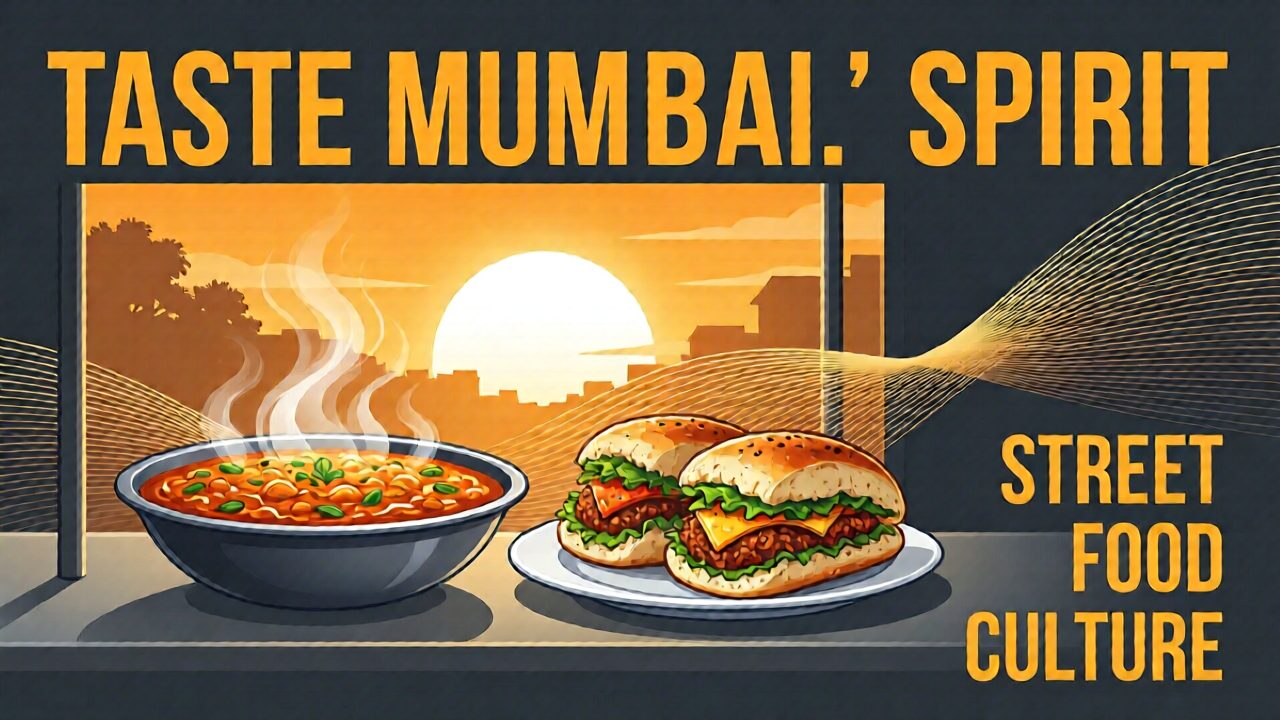
How Mumbai’s Street Food Tells the Story of Its Culture and Spirit
Introduction
If you’ve ever wandered the busy streets of Mumbai, you know that the city’s soul is in its food. From the vibrant stalls lining Juhu Beach to the crowded lanes of Crawford Market, Mumbai’s street food isn’t just a quick bite—it’s an experience. But what makes Mumbai’s street food so special? And how does it reflect the cultural fabric of this metropolis? Let’s take a closer look at the heart and hustle behind these beloved snacks.
The Unique Appeal of Mumbai’s Street Food
Every city has its iconic dishes, but there’s something about Mumbai’s street food that draws both locals and tourists alike. Maybe it’s the speed at which it’s served, or the way the flavors seem to burst with life in every bite. Whether you’re savoring a plate of pav bhaji after a long day of shopping or grabbing a quick vada pav from a roadside stall on your way to work, these dishes are more than just food—they’re a part of the daily rhythm of life.
The Variety on Offer
In Mumbai, the variety of street food is as diverse as its people. You’ll find the classic pani puri in one corner and a spicy sev puri on another, often right next to a cart selling chana chaat or batata vada. These quick, tasty meals have their roots in different parts of India, yet they’ve all found a home here in Mumbai. The beauty of street food is that it’s both a reflection of tradition and a symbol of the city’s ability to adapt, creating a fusion of flavors that is both nostalgic and contemporary.
Street Food as a Cultural Connector
Food, at its core, connects people. In a city as crowded and bustling as Mumbai, food is the thread that ties people together. On any given evening, you’ll see families, office workers, students, and tourists gathered around street food carts, sharing a meal or enjoying a snack. Take a moment to consider the simple pav bhaji: mashed vegetables cooked in spices, served with buttered bread. It’s comfort food that transcends generations. From the local schoolteacher to the businessman in a crisp suit, everyone can enjoy a plate of pav bhaji without skipping a beat.
Street Food as a Reflection of Mumbai’s History
But street food in Mumbai isn’t just about convenience or taste—it’s also about history. Many of these snacks have roots in the colonial era or have evolved over time to suit the needs of the city’s diverse population. Take bhel puri, for example. This crispy, tangy snack originated along the beaches of Bombay (as Mumbai was known then) and is a testament to the city’s coastal influence. Or consider the vada pav, often called Mumbai’s answer to the burger. This sandwich, made with spiced potato fritters and served in a soft pav (bread roll), was created in the 1960s to cater to the growing middle class. Over time, it has become a symbol of Mumbai’s street food culture.
The People Behind Mumbai’s Street Food
It’s easy to overlook the hands that prepare Mumbai’s street food. But these street food vendors are an integral part of the city’s identity. Many of these vendors have been running their carts for decades, often passing down recipes from one generation to the next. Their customers aren’t just looking for food—they’re looking for consistency, warmth, and a taste of home.
The Family Businesses of Mumbai’s Street Vendors
Imagine visiting a stall in the heart of Dadar for a plate of pav bhaji, only to find out that the recipe has been handed down for generations. The vendor, who may have inherited the business from his father or grandfather, serves the dish with a smile that shows years of dedication. These street food businesses are often family-run affairs, and for many, they represent the family’s livelihood. It’s no wonder that the food tastes better when it’s made with such care and passion.
Street Food as an Entrepreneurial Venture
For others, street food isn’t just a family tradition—it’s an entrepreneurial opportunity. In a city like Mumbai, where dreams are made and shattered in equal measure, street food has become a stepping stone for countless small businesses. A young college graduate might start by selling chana masala on the side of the road, only to build a thriving catering business or expand into a small restaurant. The success stories are endless, and they’re a testament to the resourcefulness of Mumbai’s people.
How to Navigate the Mumbai Street Food Scene
For the uninitiated, diving into Mumbai’s street food scene can feel a little overwhelming. There’s a dizzying array of options, each with its own unique charm. But fear not—we’ve got a few tips to help you navigate this culinary adventure.
- Start small: If you’re new to the scene, begin with a few classic options, like pav bhaji or vada pav, and work your way up to more adventurous fare.
- Choose busy stalls: The longer the line, the better the food. Popular stalls tend to serve fresher dishes, as they have a higher turnover of customers.
- Watch out for hygiene: While street food is generally safe, it’s always a good idea to look for vendors who maintain a clean stall and prepare food in front of you.
- Don’t forget the chutneys: The tangy, spicy chutneys are what elevate street food to the next level. Don’t be shy—ask for extra!
Conclusion: More Than Just Food—A Slice of Mumbai’s Life
When you bite into that crispy pani puri or dig into a steaming plate of bhel puri, you’re not just eating—you’re experiencing Mumbai itself. The food on these streets represents the city’s diversity, its hustle, and its spirit of innovation. It tells the story of a city that never sleeps, constantly evolving while holding on to its roots. So next time you find yourself in Mumbai, make sure to savor every bite—it’s a taste of the city’s heart.