
The Unseen Power of Mumbai’s Street Food Culture: A Bite Into Tradition and Innovation
Introduction
Have you ever found yourself standing at a street corner in Mumbai, trying to make a decision between vada pav and pav bhaji, or maybe the allure of a crisp bhel puri? If you’ve been to Mumbai, you know this isn’t just about food—it’s a cultural experience. From bustling markets to hidden lanes, street food in Mumbai is more than a snack; it’s an everyday ritual. But what makes this food so special, and why does it keep pulling us back, bite after bite?
The Heartbeat of Mumbai: Street Food as Culture
Street food in Mumbai isn’t just about satisfying hunger—it’s a reflection of the city’s diverse culture, history, and innovation. Each bite tells a story of migration, local flavors, and an evolving cityscape. It’s not unusual to see a group of office workers huddled around a stall on a busy afternoon, or families stopping for a late-night snack after a movie. This food reflects the city’s energy, and there’s no better example of how this fusion of tradition and modernity can work together.
A Legacy of Migration
Many of Mumbai’s street food favorites, like pav bhaji and bhel puri, trace their origins to the migration of people from different regions of India. Take pav bhaji, for instance. While it’s loved by many today, it was initially a dish created to serve mill workers in the 1850s who needed something quick and filling. Over the years, it evolved, with street vendors adding their own twist. The dish became so popular that it spread from the streets of Mumbai to the corners of every city in India.
Similarly, bhel puri and sev puri, two staples of Mumbai’s street food culture, originated from Gujarat. Gujaratis, who settled in Mumbai in large numbers, brought with them their love for crispy, tangy snacks. They merged it with the local Mumbai flair, resulting in the crunchy, spicy, and sweet concoctions we know and love today.
The Taste of Innovation
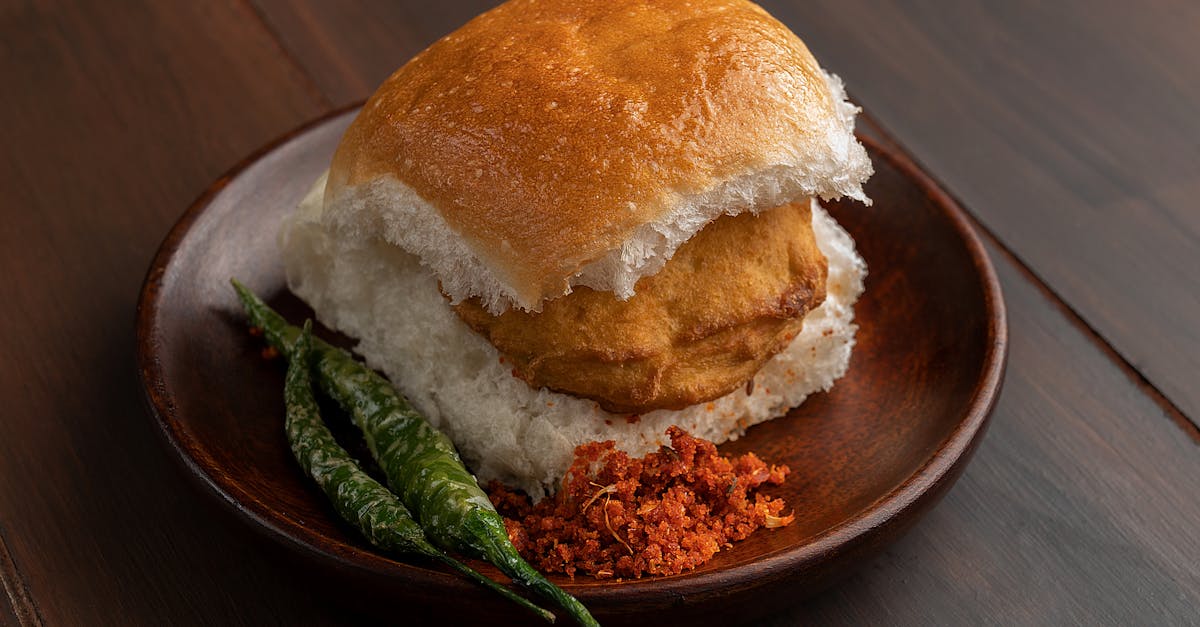
While Mumbai’s street food honors the past, it’s also a place for creativity. Vendors constantly tweak their recipes, adapting to trends while holding on to tradition. Take the classic vada pav. Originally a humble snack of spicy potato filling inside a bun, vada pav is now getting a makeover in places like Andheri and Bandra, where vendors serve versions stuffed with cheese, or even more exotic fillings like mushroom or paneer.
For those seeking something more adventurous, Mumbai is home to a burgeoning fusion food scene. Imagine a dosa topped with cheese or a pav bhaji served with a side of cheese fondue. These creations might sound outlandish, but they reflect the dynamic, ever-changing food culture of the city. It’s no longer just about nostalgia—it’s about embracing new flavors and turning them into something uniquely Mumbai.
The Street Food Experience: More Than Just a Meal
For Mumbaikars, street food is a ritual. It’s an experience that goes beyond just the food itself. It’s about the buzz of the crowd, the noise of the city, and the comforting familiarity of your favorite stall. Whether it’s grabbing a quick bite between meetings or enjoying a leisurely evening snack with friends, there’s a communal sense to it all. Vendors, after all, are not just selling food—they’re selling an experience. A place to relax, chat, and be part of something bigger.
The Social Aspect of Street Food
Unlike eating at a restaurant, where the experience can feel more solitary, street food in Mumbai is inherently social. You share your space with strangers, sometimes exchanging pleasantries with the vendor, other times striking up a conversation with the person next to you. At times, it’s the little interactions—like learning about a vendor’s family recipe—that make the meal even more memorable. It’s these moments of connection that transform a simple meal into an enduring memory.
The Allure of Late-Night Bites
There’s something particularly magical about late-night street food in Mumbai. The city that never sleeps offers an abundance of street food vendors who cater to the night owls, offering up hot vada pavs and steaming cups of chai at all hours. After a long day or a night out with friends, these stalls are where you find comfort, energy, and a little taste of home. A fresh bhel puri at 2 AM on Marine Drive might just be one of the best experiences Mumbai has to offer.
Local Flavor Meets Global Appeal
It’s not just locals who flock to Mumbai’s street food stalls; tourists and food lovers from around the world visit the city to experience its famous flavors. The streets of Colaba, Juhu, and Girgaon Chowpatty are famous not only for their stunning views but also for their world-class street food offerings. The international appeal of Mumbai’s food is undeniable. People from all walks of life come to taste its iconic dishes, whether they’re in the city for a business trip, a family vacation, or just a weekend getaway.
Street Food’s Global Recognition
In recent years, street food from Mumbai has even caught the attention of food critics abroad. In cities like New York, London, and Dubai, you’ll find pop-up stalls offering Mumbai street food with an international twist. Mumbai’s famous dosa is now being served with everything from smoked salmon to avocado, catering to global tastes while keeping the soul of the dish intact. It’s proof that while the flavors of Mumbai are rooted in its local culture, they can easily cross borders and win hearts worldwide.
Conclusion: A Legacy Worth Savoring
Street food in Mumbai isn’t just a meal, it’s a story in every bite. A mix of tradition, innovation, and community, it holds a mirror to the city’s dynamic character. Whether you’re walking down the streets of Byculla or sitting by the sea at Chowpatty, you’re part of something much bigger than a snack; you’re part of Mumbai’s vibrant culture. As the city evolves, so does its street food scene—always staying true to its roots while embracing new flavors. So next time you’re in Mumbai, don’t just eat—immerse yourself in the experience. The best stories are often told with a vada pav in hand.