
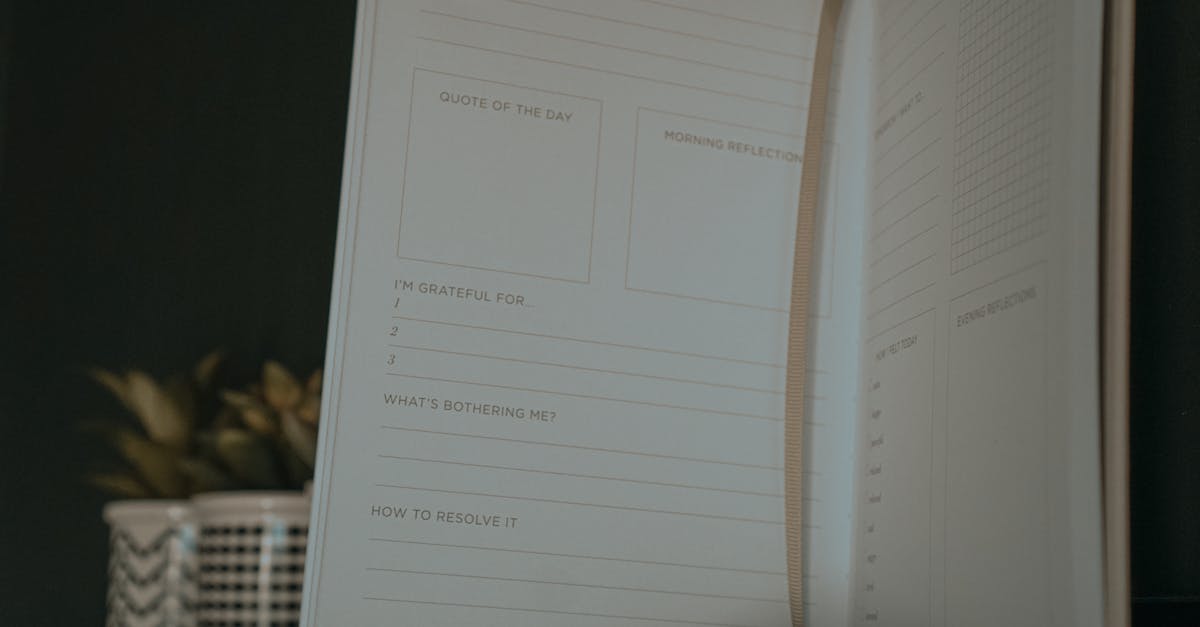
Why Gratitude Journals Are a Game Changer: Unlocking the Power of Daily Appreciation
Introduction: What’s the Big Deal About Gratitude Journals?
Picture this: It’s been one of those days. Your coffee spills, your email inbox is flooded, and you’re running behind on a deadline. Sound familiar? You could easily focus on the stress and chaos. But what if, instead, you took a moment to reflect on what’s going right in your life?
Enter the gratitude journal. You’ve likely heard the buzz about it. Everyone from wellness gurus to top-performing CEOs seems to be advocating for it. But why? Why would taking a few minutes each day to jot down what you’re thankful for make such a difference in how we feel and perform?
In this article, we’ll dive into why gratitude journals are more than just a trendy habit, they’re actually a game changer for your mental health, productivity, and overall well-being. Ready to flip the script on your mindset? Let’s get started.
How Gratitude Journals Boost Mental Health
Let’s start with the most obvious benefit: gratitude is great for your mental health. Science has shown that practicing gratitude regularly can help reduce stress, anxiety, and depression. And the best part? It’s so simple.
Imagine waking up in the morning, feeling a little bit groggy, but deciding to write down three things you’re thankful for. Maybe it’s your morning coffee, the fact that the sun is shining, or the sweet message you received from a friend yesterday. No matter how small, acknowledging these moments of positivity can help rewire your brain to focus on the good.
Studies show that people who keep gratitude journals experience lower levels of stress and improved emotional well-being. It’s like giving your brain a mental workout to shift away from negative thought patterns. Instead of focusing on what went wrong, you start actively looking for what went right, and that shift can be incredibly powerful.
Example: Sarah’s Morning Routine
Take Sarah, for example. She used to wake up stressed and immediately jump into work emails or social media, comparing her life to everyone else’s highlight reel. It was draining and overwhelming. But after reading about the benefits of gratitude journaling, Sarah decided to give it a try.
Every morning, she writes down three things she’s grateful for. They’re often small: “I’m grateful for the quiet time before the kids wake up,” or “I’m grateful for a good night’s sleep.” At first, she was skeptical. “How can writing a few things down change how I feel?” she wondered. But after just a couple of weeks, Sarah started noticing a difference. She felt calmer, more focused, and even started seeing the silver lining in stressful situations. That simple habit was shifting her mindset in ways she hadn’t anticipated.
Gratitude Journals Improve Productivity
Now let’s talk about productivity. We all know the struggle: the endless to-do list, the pressure to perform, the feeling that there’s never enough time in the day. But what if I told you that gratitude could actually help you become more productive?
When you start your day with gratitude, you’re setting the tone for a positive mindset. A positive mindset can improve focus and motivation, which are crucial for getting things done. Instead of being bogged down by distractions or feelings of overwhelm, gratitude helps clear the mental clutter and lets you zero in on the tasks at hand.
Think about it: When you’re thankful for the opportunity to work, even if it’s challenging, you’re more likely to approach your tasks with energy and enthusiasm. Gratitude reduces negative self-talk, helping you stay in the zone. Plus, when you’re in a positive state of mind, you’re more creative and open to solutions that can boost your productivity.
Example: Michael’s Workday Transformation
Michael used to start his workday with dread. He had a million things to do, and he felt like he was constantly treading water. But after reading about the connection between gratitude and productivity, he decided to experiment.
Every morning, Michael writes down three things he’s grateful for, focusing specifically on his work. Maybe it’s a recent accomplishment, a colleague who helped him, or the opportunity to work on a project he’s passionate about. Over time, Michael noticed that his days felt smoother. He was less distracted by stress and more present in his work. Tasks that once felt overwhelming now felt more manageable, and his productivity increased. By starting the day with gratitude, he was able to approach his work with a fresh, positive perspective.
Gratitude Journals Foster Stronger Relationships
Gratitude isn’t just about boosting your own mindset. It can also improve your relationships with others. When you actively acknowledge what you’re thankful for in the people around you, you start seeing them in a more positive light.
Think about your closest friends or family members. When was the last time you told them you appreciated them, not just for what they do for you, but for who they are? Writing down your gratitude for the people in your life can help deepen your connections and increase your feelings of empathy and compassion.
By regularly noting what you’re thankful for in others, you’re also likely to engage in more positive conversations with them. When you express gratitude, it encourages others to do the same, creating a cycle of kindness and appreciation that can strengthen relationships.
Example: Emma’s Family Connection
Emma noticed that, despite being close with her family, their interactions often felt routine or transactional. She decided to try gratitude journaling to improve her connection with her loved ones.
Each night before bed, Emma writes down one thing she’s grateful for about each member of her family. Sometimes it’s something as simple as “I’m grateful for Mom’s cooking tonight” or “I’m grateful for my brother’s sense of humor.” Emma found that as she wrote these things down, she began to see her family in a new light, appreciating them in ways she hadn’t before.
She started sharing her gratitude with her family, and it sparked deeper, more meaningful conversations. As a result, Emma felt even closer to her family members, and her relationships grew stronger.
How to Start Your Own Gratitude Journal
Ready to start reaping the benefits of a gratitude journal? Here’s a simple guide to help you get started:
- Pick a Journal: Choose a journal that you love. It doesn’t have to be fancy, but it should be something that makes you excited to write in.
- Set a Time: Dedicate a specific time each day, morning or night, to write in your journal. Consistency is key.
- Write Three Things: Each day, write down at least three things you’re grateful for. They can be big or small. The goal is to shift your focus to the positive.
- Reflect: Take a moment to reflect on how these moments of gratitude make you feel. Let the positivity sink in.
Conclusion: Your Gratitude Journey Awaits
Gratitude journals might seem simple, but their impact is profound. By taking just a few minutes each day to acknowledge what you’re thankful for, you can significantly improve your mental health, productivity, and relationships.
It’s not about ignoring life’s challenges or pretending everything is perfect. It’s about recognizing that even in the chaos, there are things worth appreciating. So why not give it a try? Your future self will thank you.
If you’re ready to experience the benefits for yourself, grab a journal and start writing down what you’re grateful for today. It might just be the game changer you’ve been looking for.