
Recovery Tips for Post-Workout Muscle Soreness: How to Ease the Ache and Speed Up Healing
Introduction
If you’ve ever gone hard at the gym, pushed yourself in a new class, or just had a really intense workout, you know the feeling, the soreness that kicks in the day after. It’s almost like a badge of honor, but it can also leave you moving like you’re 90 years old. If you’re wondering how to deal with post-workout muscle soreness, you’re not alone. It’s one of the most common things people ask about after exercising.
We all want to bounce back faster and feel better, but not all recovery methods are created equal. Let’s break down a few tips and tricks that actually help your muscles recover and reduce soreness.
Why Does Muscle Soreness Happen?
Before jumping into recovery tips, let’s quickly cover why this soreness happens in the first place. Post-workout muscle soreness, often known as DOMS (Delayed Onset Muscle Soreness), is a normal response to increased activity. When you push your muscles past their usual limits, whether it’s lifting heavier weights, running longer distances, or trying a new exercise, tiny microscopic tears occur in your muscle fibers. As these fibers heal, they rebuild stronger, but this process causes pain and stiffness, which can last for a few days.
So yes, that soreness is a sign that your muscles are working to get stronger. But that doesn’t mean you should have to suffer unnecessarily. Here are some proven recovery methods that can ease the ache and speed up your recovery time.
1. Stretching and Light Movement
One of the easiest and most effective ways to relieve muscle soreness is to move. It might sound counterintuitive, after all, your muscles feel sore and stiff, so why would you want to make them work even more? But light stretching and movement actually help increase blood flow to the affected areas, which speeds up the recovery process.
Try gentle stretching or yoga to loosen up tight muscles. If you prefer something a bit more active, go for a light walk, bike ride, or swim. Just avoid high-intensity movements, as these can stress your muscles further. Instead, focus on low-impact activities that get your blood pumping without overexerting yourself.
Pro Tip:
If you’re dealing with tight legs, try some hamstring stretches or calf raises. You’ll be surprised at how much relief you can get by just moving a little.
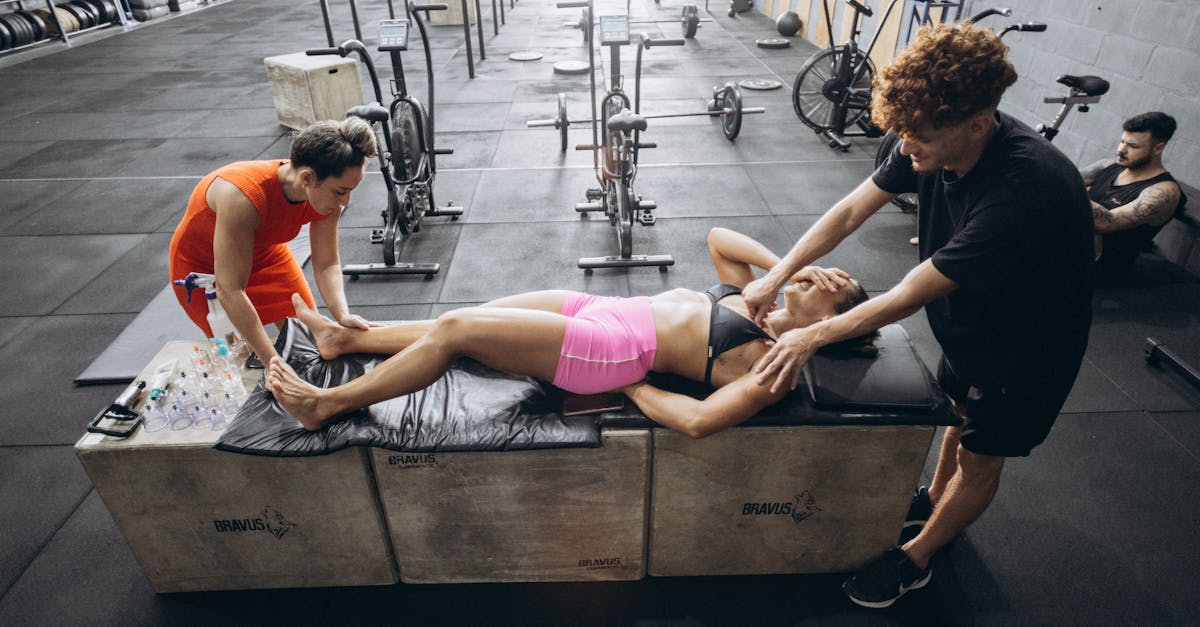
2. Massage and Foam Rolling
Massages aren’t just a luxury, they can be a real game changer for muscle recovery. A deep tissue massage can target those tight, sore spots, increasing circulation and helping to break down muscle knots. If you can’t afford a professional massage, you can do a similar thing with a foam roller.
Foam rolling, or self-myofascial release, is a great way to apply gentle pressure to sore muscles and trigger points. Roll back and forth on the foam roller over your legs, back, and arms, paying attention to areas that feel especially tight. This can release tension and improve mobility.
Pro Tip:
If you’ve never used a foam roller, start slow. Spend about 1-2 minutes on each muscle group, and gradually increase the intensity as you get more comfortable.
3. Hydration and Nutrition
Hydration isn’t just for hot summer days or after a night out, it’s crucial for muscle recovery. Dehydration can make muscle soreness worse by preventing the nutrients from reaching your muscles and slowing down the healing process. Drinking plenty of water helps flush out toxins and allows for better nutrient delivery to your muscle cells.
In addition to water, you’ll want to focus on foods that help your muscles recover. Protein is key, as it provides the building blocks your muscles need to rebuild. After a workout, aim to consume a protein-rich snack or meal within 30-60 minutes. Pair this with some carbs for energy replenishment and healthy fats for inflammation reduction.
Try a protein smoothie with banana, spinach, and almond butter, or have some grilled chicken with quinoa and avocado. These meals will not only taste good, but they’ll also help your muscles get back to work faster.
Pro Tip:
If you don’t feel like eating a full meal right after your workout, try a quick protein shake or snack like Greek yogurt or a protein bar.
4. Rest and Sleep
Sometimes the best thing you can do for sore muscles is simply to give them some rest. While it’s important to keep moving and stretching, recovery happens most effectively when you sleep. Your body does the bulk of its muscle repair during sleep, so the better rest you get, the faster you’ll recover.
Don’t underestimate the power of sleep. Aim for 7-9 hours a night, and try to stick to a consistent sleep schedule. If you’re struggling to sleep well, consider a calming routine before bed, like reading, taking a warm bath, or practicing mindfulness.
Pro Tip:
If you find it hard to get comfortable due to sore muscles, try sleeping with a pillow under your knees or back to help relieve pressure on your muscles.
5. Epsom Salt Bath
Who doesn’t love a good bath? And when you’re dealing with muscle soreness, an Epsom salt bath can work wonders. Epsom salts contain magnesium, which has anti-inflammatory properties that help relax muscles and reduce swelling.
Fill your tub with warm water, add about 2 cups of Epsom salts, and soak for 20-30 minutes. The warm water helps increase blood flow to your muscles, while the magnesium works to ease the pain. Light some candles, put on some soothing music, and treat yourself to a much-needed recovery session.
Pro Tip:
If you don’t have access to a bathtub, you can also create a foot soak using warm water and Epsom salts to target your lower body muscles.
6. Active Recovery: Take it Easy
It’s tempting to jump right back into the gym after a tough workout, but rest is just as important as exercise. Your muscles need time to recover and rebuild. Active recovery means doing low-impact exercise that promotes blood flow without straining your muscles further. This could include walking, swimming, or a light bike ride.
Give yourself permission to take it easy for a day or two, especially if your soreness is more intense. Your body will thank you for it in the long run.
Pro Tip:
If you’re feeling particularly sore but want to stay active, consider yoga or stretching classes that focus on flexibility and relaxation.
Conclusion
Post-workout muscle soreness is a natural part of the fitness journey, but that doesn’t mean you have to suffer through it. With a few strategic recovery techniques, like stretching, hydration, and massage, you can ease the discomfort and get back to doing what you love sooner. And don’t forget the power of rest, your body needs time to heal, so give it what it needs.
So, next time you’re feeling sore, don’t just push through the pain. Take the time to properly recover. Your muscles, and your future workouts, will thank you for it.