AI Agents and the Rise of Machine-to-Machine Payments
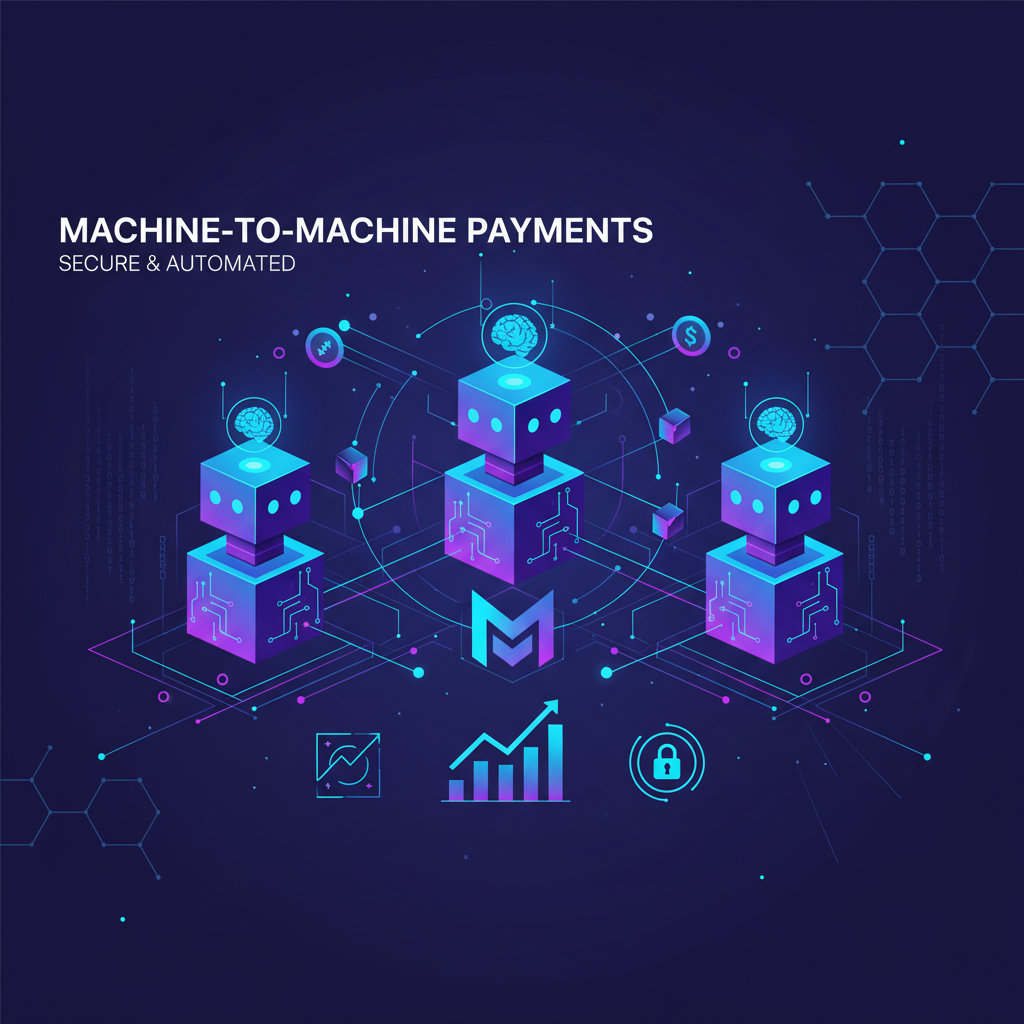
The idea of machines autonomously communicating and transacting with one another is no longer just a futuristic vision. With advancements in artificial intelligence (AI) and blockchain technology, we’re witnessing the rise of machine-to-machine (M2M) payments, a concept that could revolutionize online transactions as we know them.
In recent months, a new protocol called x402 has been introduced by the digital payments platform Coinbase. This protocol promises to change the way AI systems and digital agents interact with each other in the context of financial transactions. But what exactly is x402, and how does it work?
Understanding x402: A New Payment Protocol
The x402 protocol is an HTTP status code designed to handle payments between machines, allowing them to complete transactions autonomously. Unlike traditional payment systems, where human users must authorize payments, x402 enables devices and AI systems to interact directly, exchanging value without human intervention. This technology is expected to open the door to a new era of decentralized, machine-driven commerce.
The x402 status code operates similarly to the 402 payment required status code in the HTTP protocol but with a unique twist: it is tailored specifically for machine-to-machine transactions. Instead of waiting for human approval, devices equipped with AI or IoT capabilities can initiate and complete payments automatically, streamlining processes in industries like e-commerce, smart cities, and supply chain management.
Why x402 Could Change the Game for Digital Transactions
While traditional payment gateways like Stripe and PayPal rely on human intervention to approve and manage payments, x402 introduces the idea of autonomous transactions. This could be a game-changer in industries where rapid, frictionless financial exchanges are needed. For instance, in the context of autonomous vehicles, AI agents could use the x402 protocol to pay tolls, refuel at gas stations, or even pay for parking without any human input.
Furthermore, x402 opens up opportunities for AI-powered systems to enter into direct, autonomous financial agreements. A fleet of robots in a warehouse could independently pay for maintenance services, order spare parts, or pay workers based on work completion—all without human supervision.
x402 vs. Traditional Payment Methods
One of the key differentiators of x402 compared to traditional payment methods like Stripe is the automation aspect. While Stripe and other payment processors are designed for human-driven transactions, x402 is optimized for machine-driven operations. This difference could have significant implications for industries that are already heavily dependent on automation, such as logistics and manufacturing.
Additionally, x402 could drastically reduce the time and cost associated with manual processing of payments. For businesses that rely on large-scale automation, the ability for machines to handle payments autonomously could free up resources for more strategic tasks and reduce overhead costs.
The Future of Machine-to-Machine Payments
The future of M2M payments looks bright, with many experts predicting that autonomous financial systems could be a key pillar of the next wave of digital transformation. As more industries adopt IoT and AI technologies, the demand for seamless, machine-driven transactions will only increase.
However, the widespread adoption of protocols like x402 will depend on the development of secure, trustworthy systems that can ensure privacy and prevent fraud. Blockchain technology, with its decentralized nature and secure transaction mechanisms, could play a key role in making machine-to-machine payments not only feasible but also safe and reliable.
Conclusion
As we move closer to a world where AI and machines can make decisions and transact autonomously, protocols like x402 could be the key to unlocking a new era of digital commerce. With applications spanning from autonomous vehicles to smart cities and supply chains, the potential of machine-to-machine payments is vast. As the technology evolves, we can expect more industries to explore and adopt these autonomous payment systems, bringing us one step closer to a truly connected and automated future.
To learn more about x402 and its potential impact on the future of digital payments, watch the full video.