
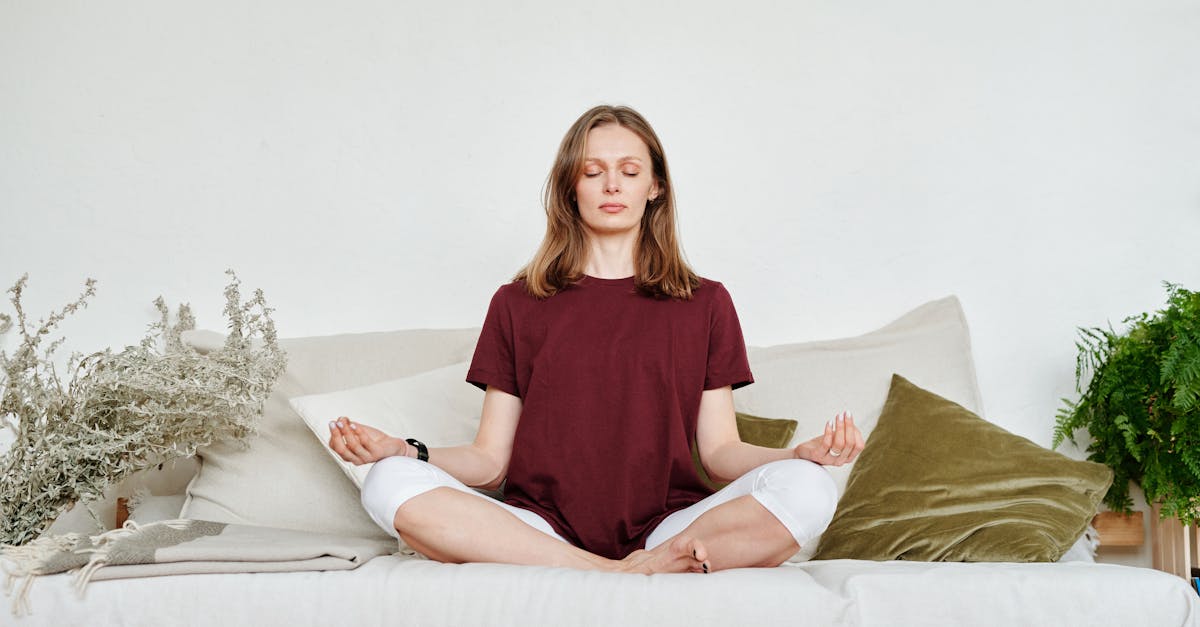
Breathing Exercises That Calm the Mind Fast: Simple Techniques You Can Try Anywhere
Introduction
We’ve all been there, your mind is racing, your thoughts are all over the place, and your stress level is through the roof. Whether it’s work pressure, personal issues, or just life in general, it feels like your brain won’t shut off. But what if I told you that there’s a quick and simple way to calm that storm? Enter breathing exercises. Yes, something as basic as breathing can help you find instant relief when your mind is in chaos.
Why Breathing Works
It may sound too easy to be true, but breathing exercises really can help calm your mind. Here’s why: when you focus on your breath, your body enters a state of relaxation. Deep, controlled breaths trigger the parasympathetic nervous system, which slows your heart rate and reduces the production of stress hormones like cortisol. It’s like hitting the reset button for your mind and body, helping you regain control.
Breathing also forces you to focus on the present moment. As soon as you start concentrating on your breath, you’re not thinking about that looming deadline or that conversation you had yesterday. You’re simply being, in the here and now.
Three Simple Breathing Exercises to Calm Your Mind
1. The 4-7-8 Breathing Technique
One of the quickest ways to calm down is with the 4-7-8 breathing technique. It’s like a mini meditation that takes less than a minute, but can completely reset your brain.
Here’s how it works:
- Inhale quietly through your nose for a count of four seconds.
- Hold your breath for a count of seven seconds.
- Exhale completely through your mouth for a count of eight seconds.
Repeat this cycle three to four times. The longer exhale helps to activate your body’s relaxation response, which is why this technique works so well. You’ll feel your heart rate slow and your mind calm almost immediately. I tried this last week before an important meeting when I was feeling especially anxious, and it made a huge difference. It’s like a quick mental reset button.
2. Box Breathing
If you’re looking for a technique that’s simple yet effective, box breathing is a winner. It’s called “box breathing” because the inhale, hold, exhale, and hold are all done in equal counts, forming a “box” pattern. This is a great one to use when you’re feeling overwhelmed at work or before any stressful situation.
To do box breathing:
- Inhale through your nose for a count of four seconds.
- Hold your breath for four seconds.
- Exhale slowly through your mouth for four seconds.
- Hold your breath again for four seconds before repeating the cycle.
Box breathing is a fantastic way to regain control over your thoughts. It forces you to slow down and focus on each step, which takes your mind off whatever was stressing you out. If you’ve ever felt your anxiety creeping in during a busy day, try this method, it’ll help you stay grounded and calm.
3. The 5-5-5 Technique
If you’re on the go and need something quick, the 5-5-5 technique is the easiest way to bring your mind back to balance. It’s especially effective if you’re in a crowded place or at the office, feeling overstimulated. The 5-5-5 technique involves counting while you breathe, giving you something tangible to focus on while calming your thoughts.
To practice it:
- Inhale deeply through your nose for a count of five seconds.
- Hold your breath for five seconds.
- Exhale slowly through your mouth for five seconds.
Repeat this for a few rounds. It’s a great exercise to do discreetly in public or when you need a quick mental reset during the day. I remember using this in the middle of a busy airport when my nerves were starting to get the best of me. I closed my eyes, focused on the numbers, and within a minute, I felt more centered and calm.
When to Use Breathing Exercises
There’s no wrong time to practice these techniques, but there are definitely moments when they can be particularly helpful. Here are a few scenarios:
- Before a stressful meeting or presentation: Calm your nerves and clear your head before diving into something that makes you anxious.
- When you can’t sleep: If your mind is racing late at night, try using a breathing technique to help your body and brain unwind.
- When you’re feeling overwhelmed: If you’re juggling a million things and your thoughts are scattered, these exercises help you regain focus and clarity.
- During a moment of frustration or anger: Breathing exercises can quickly diffuse your emotional state, helping you respond with a clear mind.
Even just a few deep breaths during these moments can make a significant difference in how you feel and how you respond to the situation.
Tips for Getting the Most Out of Breathing Exercises
To really reap the benefits of these breathing exercises, it’s important to practice them regularly, not just when you’re in the middle of a stressful moment. Here are a few extra tips to enhance your experience:
- Find a quiet space: While you can do these exercises anywhere, finding a quiet space where you won’t be interrupted helps you focus more fully.
- Stay consistent: The more you practice, the more you’ll train your body to enter a calm state quickly. Try setting aside time each day for a few minutes of focused breathing.
- Don’t rush: Breathing exercises are about slowing down, not speeding up. Take your time with each inhale, hold, and exhale.
- Be patient: Don’t expect instant results the first time. Over time, your body and mind will get better at responding to these exercises.
Conclusion
When life feels overwhelming, remember that the power to calm your mind is as close as your breath. Breathing exercises are a simple, effective, and fast way to reduce stress and regain focus. Whether you choose the 4-7-8 method, box breathing, or the 5-5-5 technique, each one offers a unique way to reset your body and mind. The next time you feel your thoughts spinning or anxiety rising, pause and breathe. It’s a small act that can make a big difference in how you feel. And remember, you can always do it anywhere, no special equipment, no need to be in a quiet room. Just you, your breath, and a moment of peace.