The Librephone: A Bold Move Against iOS and Android
The world of smartphones has been dominated by two major operating systems for over a decade: Apple’s iOS and Google’s Android. While both platforms continue to evolve, a new contender has emerged, making waves with its audacious mission to challenge the status quo. This challenger comes in the form of the Librephone, a revolutionary project launched by the Free Software Foundation (FSF). But what exactly is the Librephone, and could it truly disrupt the dominance of iOS and Android? Let’s dive in.
What is the Librephone?
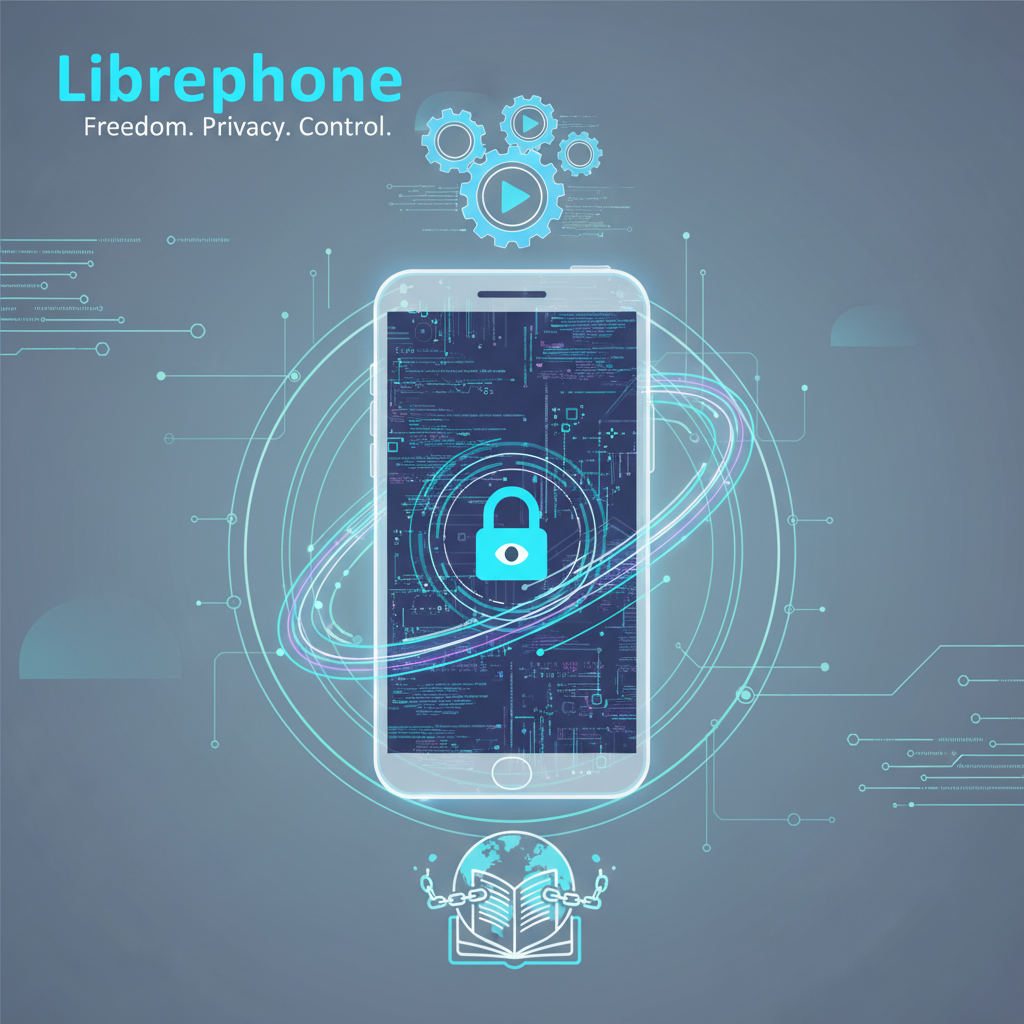
The Librephone is an open-source, privacy-focused smartphone designed to give users complete control over their device’s software and hardware. Developed by the Free Software Foundation, this device aims to offer a direct alternative to the closed ecosystems of iOS and Android. Unlike traditional smartphones that rely on proprietary software, the Librephone runs entirely on free and open-source software (FOSS), meaning its source code is publicly available for anyone to modify, inspect, and improve.
What Makes the Librephone Different?
At the heart of the Librephone’s appeal is its commitment to user privacy and freedom. In contrast to the data-hungry business models of Apple and Google, the Librephone does not collect personal data, track user activity, or rely on proprietary apps and services. It aims to provide a truly independent and transparent smartphone experience, which could resonate with users tired of being locked into corporate ecosystems.
Is Android Really Open-Source?
One of the key talking points surrounding the Librephone project is whether Android can still be considered truly open-source. While Android is based on the Linux kernel and many components are open-source, the operating system as a whole is not entirely open. Google’s Android is heavily customized with proprietary software and services, such as the Google Play Store, Gmail, and Google Maps, which are integral parts of the experience for most users.
In many cases, manufacturers that adopt Android for their devices must integrate Google’s proprietary services in order to comply with the company’s licensing agreements. This effectively creates a walled garden, which undermines Android’s reputation as a fully open-source platform. The Librephone, on the other hand, offers a true open-source experience, where everything from the operating system to the apps is available for public scrutiny and modification.
The Legacy of Richard Stallman
The Librephone is not just another smartphone project—it’s a product of the vision and philosophy of Richard Stallman, the founder of the Free Software Foundation. Stallman has long been an advocate for user freedom and privacy, and his involvement in the Librephone project is a testament to his unwavering commitment to these values. The development of the Librephone marks a significant milestone in the FSF’s ongoing mission to promote free software and challenge the dominance of proprietary technology.
Can the Librephone Challenge iOS and Android?
The big question is whether the Librephone can realistically compete with iOS and Android, two operating systems that together power over 99% of the world’s smartphones. While the Librephone’s open-source nature is certainly appealing to privacy-conscious users and developers, it faces several challenges in terms of mainstream adoption.
- App Ecosystem: One of the biggest hurdles for the Librephone is its lack of a robust app ecosystem. While it supports FOSS apps and Android apps via compatibility layers, it doesn’t have the sheer volume of apps available on Google Play or the App Store.
- Hardware Support: Another obstacle is hardware compatibility. The Librephone’s hardware must be fully open and compatible with the free software it runs, which can limit the options available to users.
- Market Penetration: Even if the Librephone garners support from the free software community, its ability to break into the mainstream market and rival the marketing muscle of Apple and Google remains uncertain.
However, the Librephone is more than just a smartphone. It represents a philosophical shift, advocating for user control, transparency, and privacy in an age where tech giants often prioritize profit over personal freedoms.
Conclusion
The Librephone is an exciting project that embodies the ideals of free software and privacy in a way that few other devices have attempted. While it faces significant challenges in terms of competition with iOS and Android, it opens up new possibilities for users who value control over their devices and data. If you’re ready to break free from the corporate walled gardens of iOS and Android, the Librephone might just be the device you’ve been waiting for.