
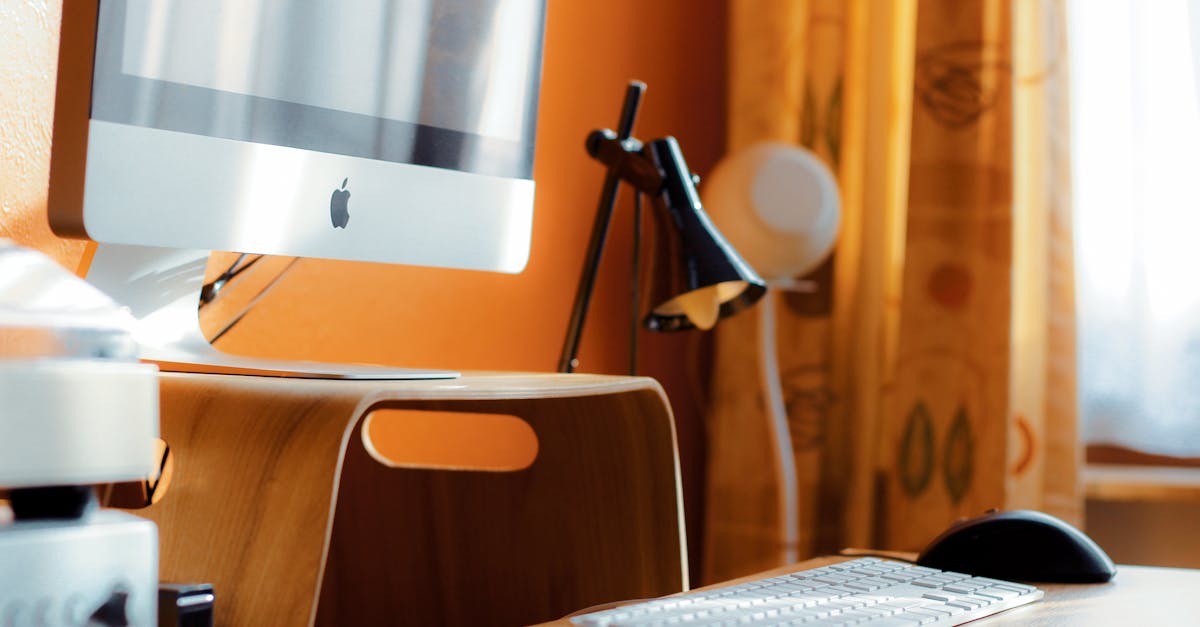
How to Organize Your Workspace for Peak Productivity
Introduction
Ever noticed how your workspace can either make or break your productivity? One minute, you’re fully in the zone, and the next, you’re distracted by a pile of papers or a cluttered desk. If you’re finding it hard to concentrate or stay organized, your workspace might be the culprit. The good news? A few simple tweaks can transform your environment into a productivity powerhouse.
Declutter to Focus
If you walk into your office and immediately feel overwhelmed, that’s a red flag. We’ve all seen those desks covered in sticky notes, coffee cups, and piles of paperwork. The truth is, clutter doesn’t just make your desk look chaotic, it can mess with your mind, too. According to experts, physical clutter can lead to mental clutter, making it harder to focus and prioritize tasks. It’s like trying to run a marathon with a backpack full of rocks!
Start with a clean slate. Clear off your desk completely and only bring back the essentials. This doesn’t mean you should toss out everything you’re not actively using, but keep items you need within arm’s reach. A few well-chosen items can motivate you, like a plant, a picture, or a small trophy, but don’t let them become distractions. Think minimalist, simplicity is key.
How to Tackle Clutter
- Sort through your papers: Take 15 minutes each day to go through your documents and recycle or file away what’s not needed.
- Use trays and organizers: A small tray for incoming items can keep everything from floating around on your desk.
- Digital decluttering: Don’t forget your digital workspace! Organize files on your computer and clean up your email inbox too.
Create a Functional Layout
Now that the clutter is cleared away, it’s time to think about how your workspace is actually set up. Does your chair face the window? Are your supplies in the right places? You might not realize it, but your desk layout can affect how easily you can work.
Start by thinking about what you use the most during your workday. If you’re reaching across your desk for your coffee cup every five minutes, that’s a productivity killer. Consider how often you use items like your phone, documents, or printer. Ideally, you should have a designated area for each task. The more streamlined your setup, the fewer distractions you’ll face.
Tips for a Functional Layout
- Place your computer screen directly in front of you, not to the side. This will minimize neck strain and keep your focus in one direction.
- Keep frequently used items close to you: pens, a notebook, and any files you’re working on should be within reach.
- Invest in ergonomics: A comfortable chair and adjustable desk can make a huge difference in how you feel during the workday.
Optimize Lighting and Ambience
Ever try to work under harsh fluorescent lights or struggle to read your screen in dim lighting? The right lighting can completely change your mood and energy levels. Poor lighting can strain your eyes and make you feel sluggish, while bright, natural light has been shown to increase alertness and focus. Imagine the difference between sitting in a brightly lit room versus one with just a single, flickering bulb.
If you can, position your desk near a window where you can benefit from natural light. If that’s not possible, try to use daylight bulbs or LED lights with a soft, warm tone. And don’t forget about your screen. Reduce the brightness and use blue light filters to prevent eye fatigue.
Lighting Tips
- Natural light is the best, if it’s an option, take advantage of it.
- If you’re working late, invest in a good desk lamp with adjustable brightness to avoid eye strain.
- Consider getting a screen filter or software that reduces blue light exposure, especially if you’re working long hours.
Personalize Without Overdoing It
Having a personalized workspace can boost your mood and make you feel more comfortable. After all, you’re spending a lot of time there. But beware, too much personalization can easily tip into clutter territory. Think of it like decorating your home. A few personal touches, like a favorite mug or a family photo, can make your space feel inviting, but too much stuff can quickly become overwhelming.
The key is balance. Keep your workspace comfortable and welcoming, but avoid turning it into a shrine to your hobbies or every single trinket you’ve ever collected. It’s about creating an atmosphere where you can thrive.
Personalization Ideas
- One or two personal items are enough to make your desk feel like yours, avoid overstuffing your space with knick-knacks.
- A small plant can add a touch of greenery and improve your air quality.
- If you enjoy a bit of humor, keep a small item on your desk that makes you smile without distracting you from work.
Stay Organized with Systems
Organization is about more than just keeping things tidy, it’s about creating systems that work for you. Whether it’s organizing your to-do list, using a calendar, or setting up reminders, having a system in place will help you stay on track.
Try using a digital tool like Trello or Notion for task management, or go old-school with a bullet journal. Either way, having a clear system for managing your workload will save you time and energy in the long run.
Systems That Can Help
- Use task management tools: Apps like Todoist or Google Keep can help you stay organized and keep track of deadlines.
- Have a filing system: Whether digital or physical, create a system for organizing important documents that’s easy to maintain.
- Set daily or weekly goals: Having clear objectives each day can help you stay focused and give you a sense of accomplishment.
Conclusion
Organizing your workspace isn’t just about making it look pretty, it’s about creating an environment that helps you do your best work. By decluttering, optimizing your layout, managing lighting, personalizing thoughtfully, and setting up systems, you’re setting yourself up for peak productivity.
So, take a moment to assess your workspace. Does it spark joy or just chaos? With a few simple adjustments, you can transform your space into a productivity oasis. The only question left is: What will you organize first?