
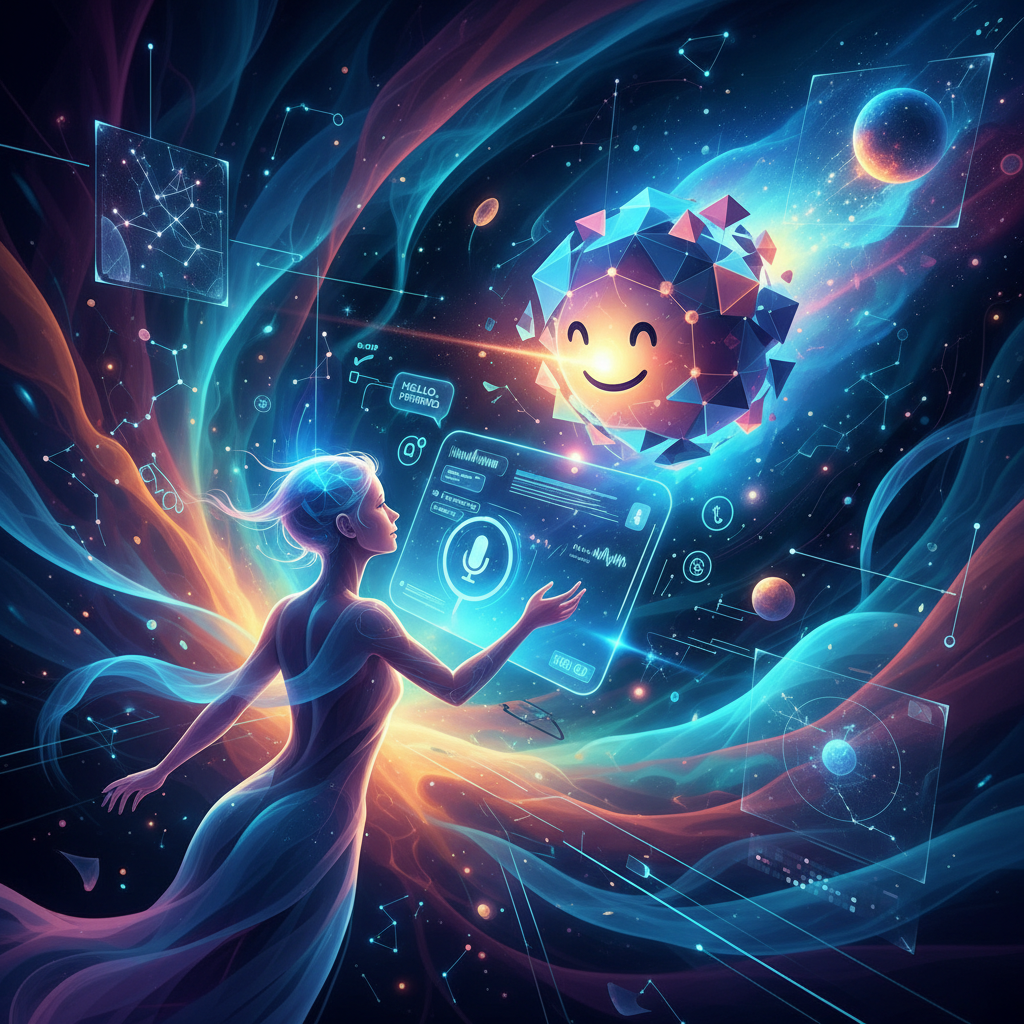
AI Companions: The Future of Personal Interaction
AI companions are rapidly becoming a significant part of our digital world, providing not only assistance but companionship. From flirty chatbots to more sophisticated virtual assistants, AI is quickly changing how we interact with technology. But what does this mean for the future of human-computer relationships? In this article, we dive deep into the rise of AI companions and how they might reshape the way we communicate, work, and socialize.
The Rise of AI Companions
Artificial intelligence has evolved from simple algorithms to complex systems capable of learning, adapting, and even mimicking human emotions. One area where this progress is particularly noticeable is in the development of AI companions—virtual beings designed to interact with users in a more personal, often emotionally engaging way. These AI companions have a wide range of applications, from mental health support to entertainment and beyond.
In fact, the concept of AI companions is not entirely new. Early examples can be traced back to the 1960s with programs like ELIZA, a text-based program that mimicked the behavior of a psychotherapist. However, today’s AI companions are far more advanced, capable of holding complex conversations, remembering personal preferences, and even providing emotional support.
Real-World Examples of AI Companions
One of the most prominent examples of AI companions today is Replika, an app designed to offer a personal, interactive AI friend. Users can chat with Replika, engage in emotional conversations, and even share daily updates. Another notable example is AI-powered therapy apps like Wysa, which offer users a supportive, non-judgmental environment to talk about mental health challenges.
Beyond emotional support, AI companions are also finding their place in entertainment and customer service. For instance, chatbots integrated into e-commerce websites help users find products and answer queries. These bots are continuously improving through machine learning, making interactions smoother and more human-like with each conversation.
How AI Companions Are Built
The development of an AI companion is a multi-faceted process involving machine learning, natural language processing, and behavioral modeling. At the core, these AI systems rely on large datasets to understand human language and emotional cues. The goal is to create a companion that can converse in a way that feels organic and responsive to human emotions.
Building an AI companion from scratch typically involves the following steps:
- Data Collection: Gathering text-based or voice-based data to help the AI understand and process human communication.
- Machine Learning Models: Using algorithms to allow the AI to learn patterns and improve its interactions over time.
- Natural Language Processing (NLP): Integrating NLP to make the AI capable of understanding and responding to natural speech or text.
- User Interaction: Continuously refining the AI’s responses based on feedback and conversations with real users.
Tools like Vapi.ai make it easier than ever for developers to create customized voice agents and chatbots. With pre-built templates and API integrations, users can create highly functional virtual assistants tailored to specific needs. Whether you want a personal companion or a chatbot for business, the possibilities are limitless.
Applications of AI Companions
AI companions are being used in a variety of fields, offering both personal and professional benefits. Here are some of the most common applications:
- Mental Health Support: AI companions can provide a non-judgmental space for users to express their feelings, helping to manage stress and anxiety.
- Customer Service: AI chatbots can handle inquiries, resolve issues, and provide support on websites and in apps, reducing wait times and improving efficiency.
- Entertainment: Virtual companions in video games or social apps can offer a personalized experience, making interactions more immersive.
- Learning and Education: AI companions can help students with personalized tutoring or even language learning through conversational practice.
The Future of AI Companions
As AI technology continues to advance, the future of AI companions looks incredibly promising. In the next few years, we can expect these virtual assistants to become even more integrated into our daily lives. Imagine an AI companion that can help you with everything from planning your schedule to offering emotional support during stressful times. We might even see companions that are able to understand and replicate human empathy in a way that’s indistinguishable from human interactions.
However, this rapid advancement also raises important ethical questions. How do we ensure that AI companions are used responsibly? What impact will they have on human relationships and mental health? These are questions that need to be addressed as AI companions become more common in our society.
Conclusion
AI companions are reshaping the way we interact with technology, offering personalized, emotionally engaging experiences. As these systems become more advanced, they will open up new possibilities in entertainment, customer service, mental health, and beyond. While there are still many challenges to overcome, the potential benefits are undeniable. The future of AI companions is exciting, and it’s something we should all keep an eye on.